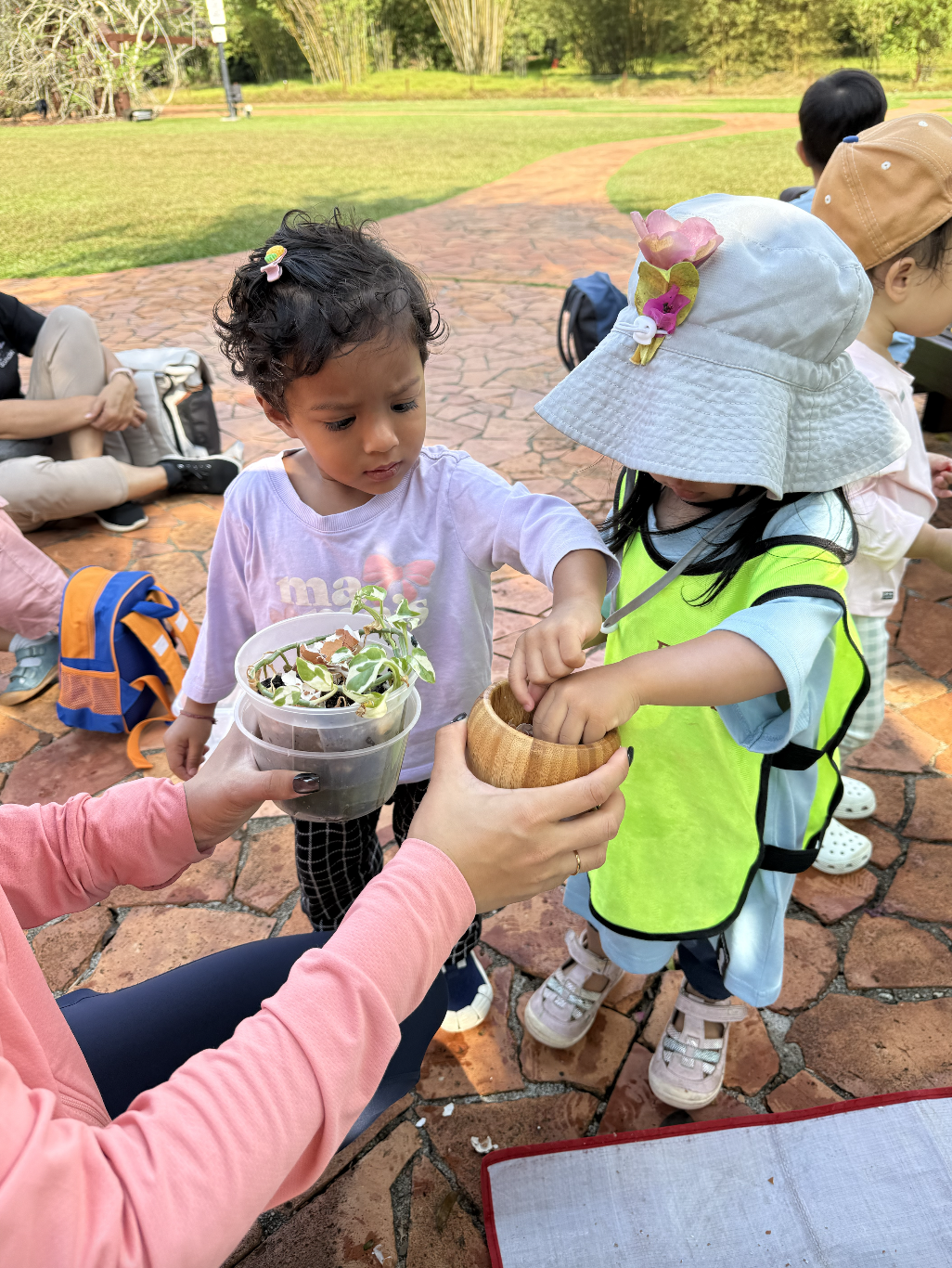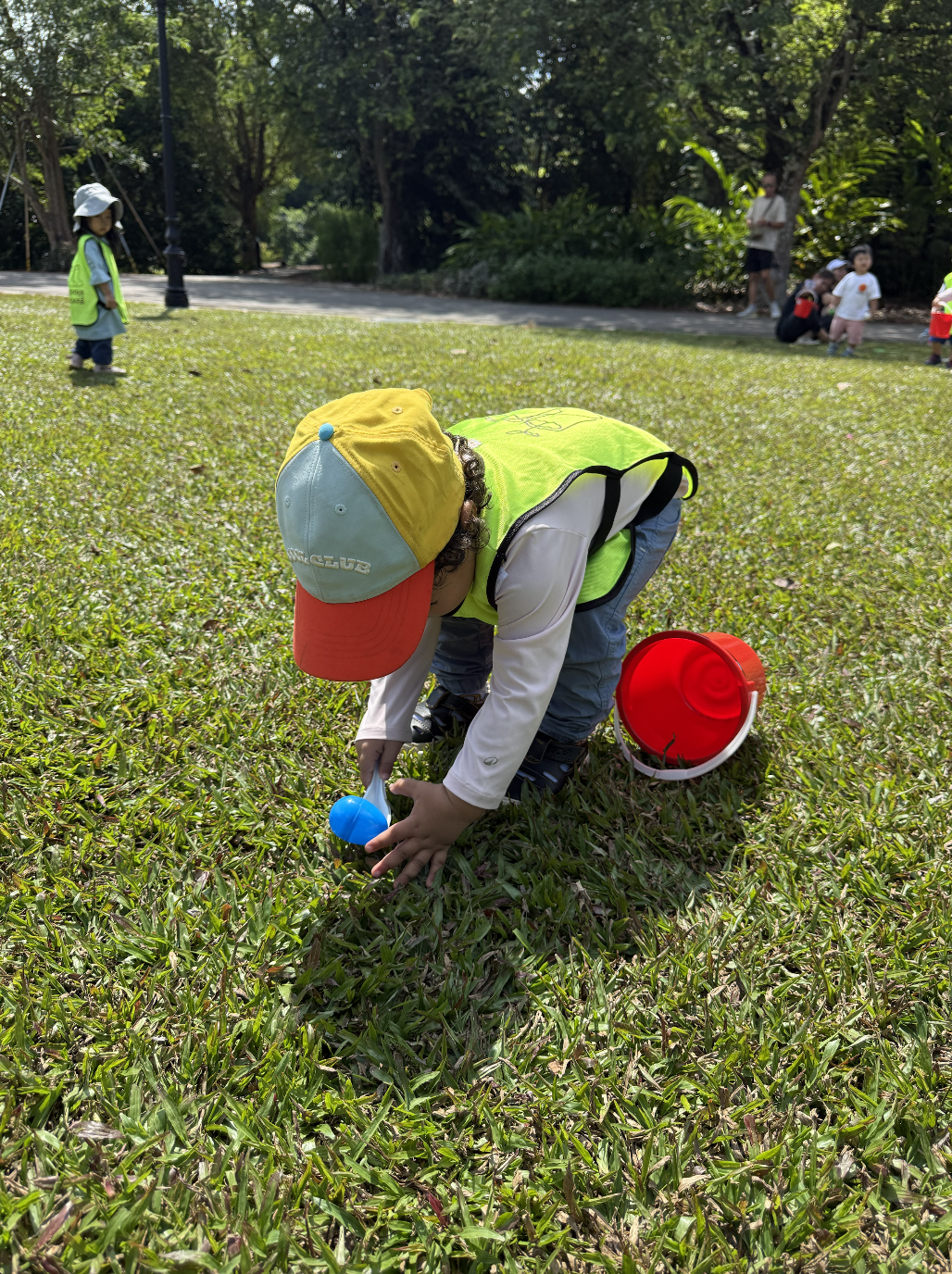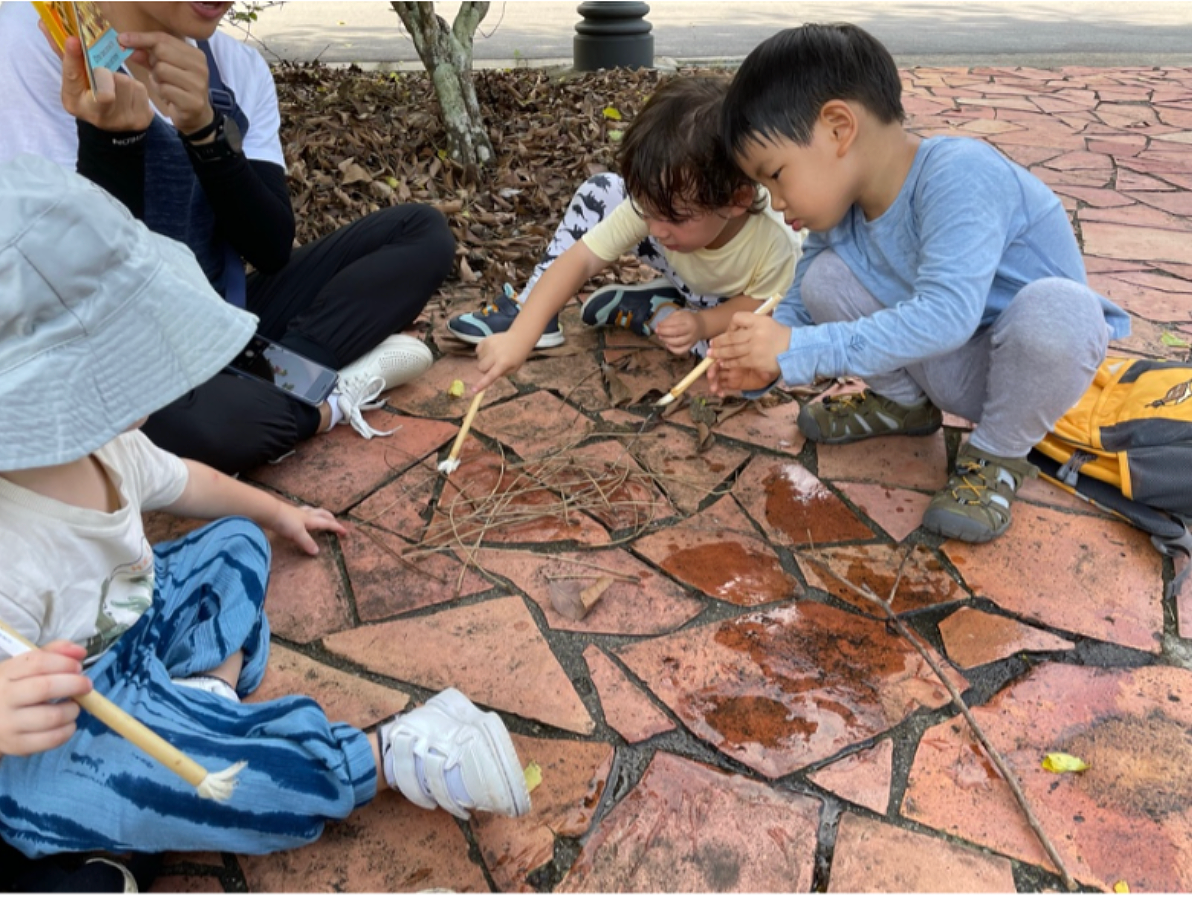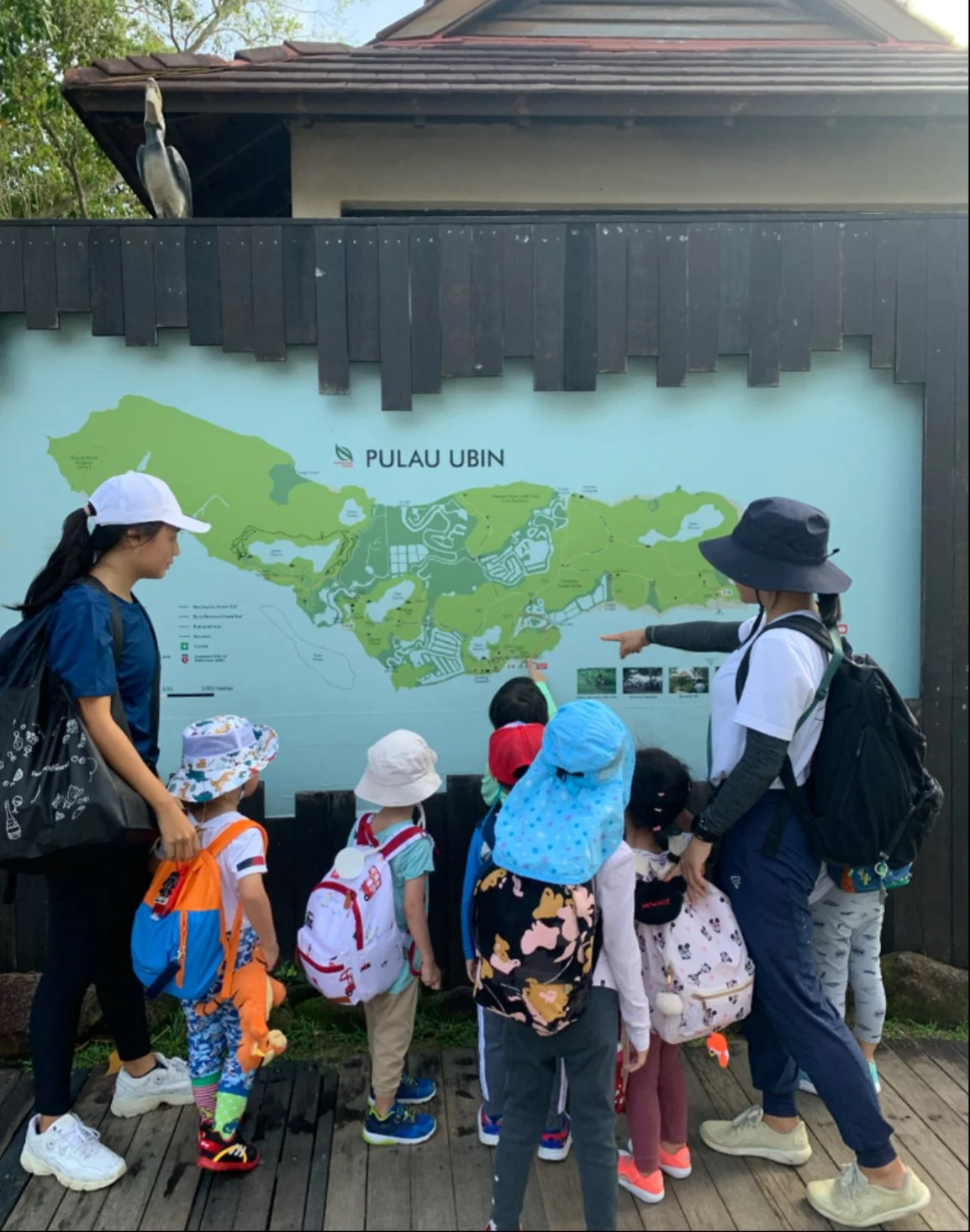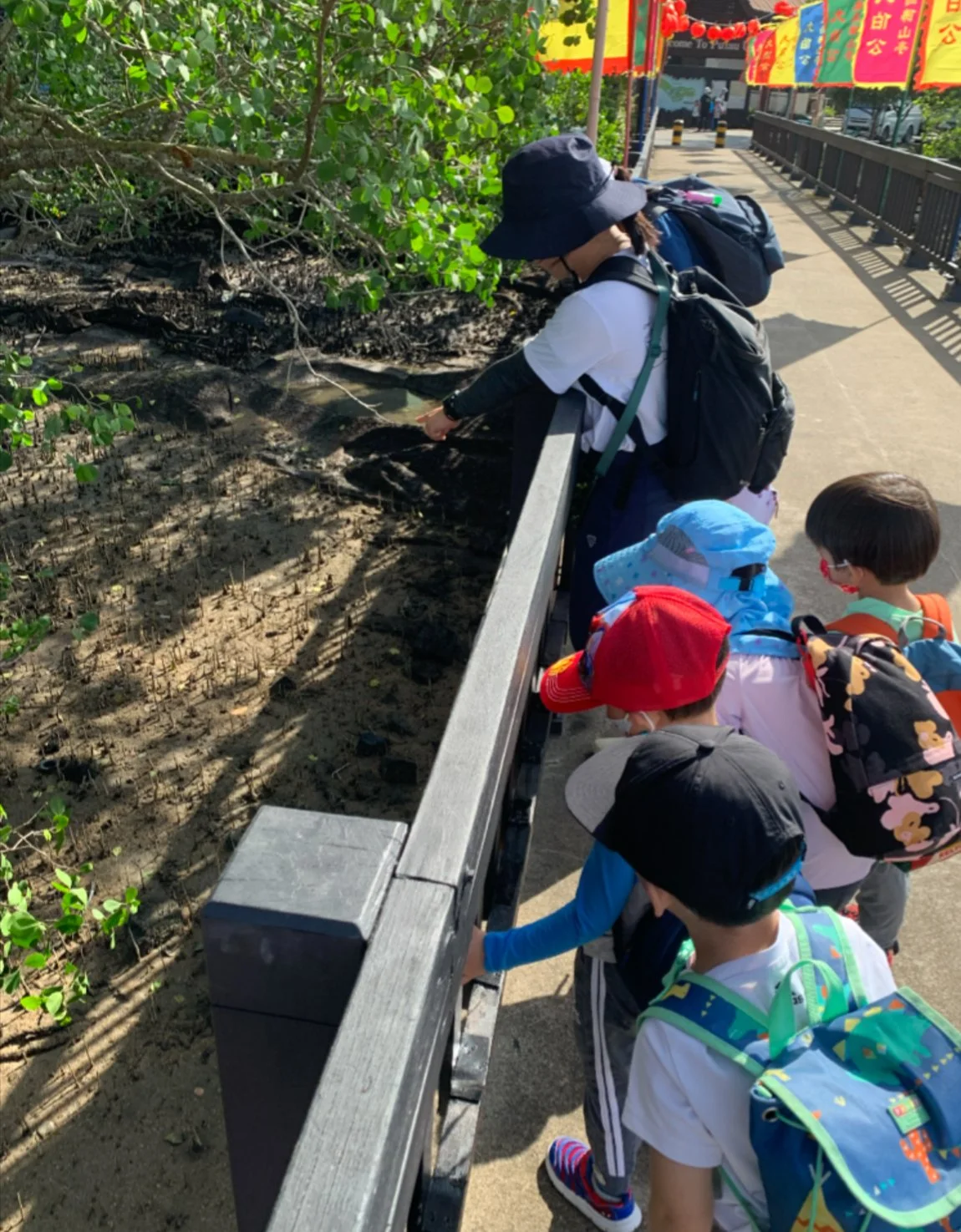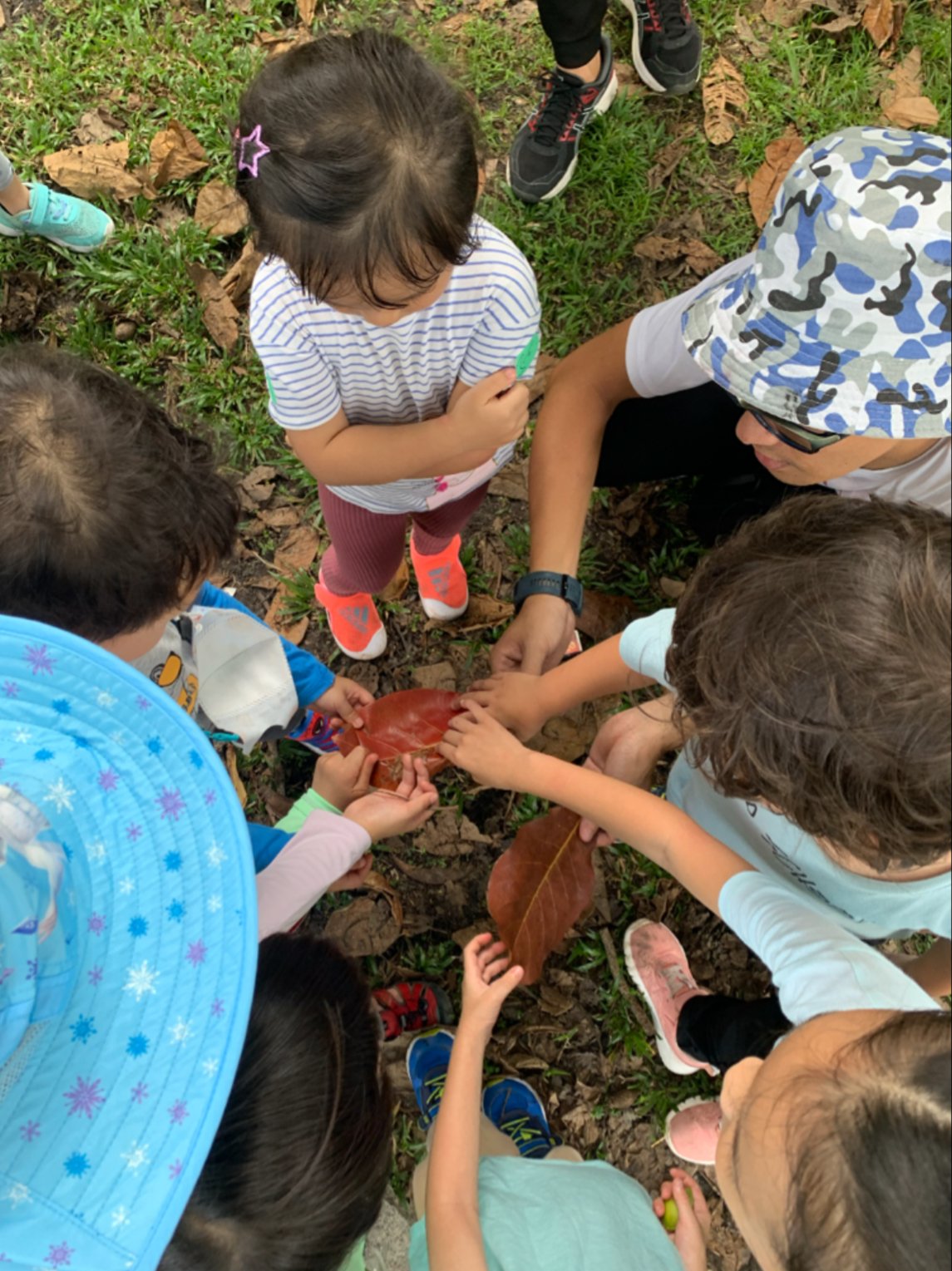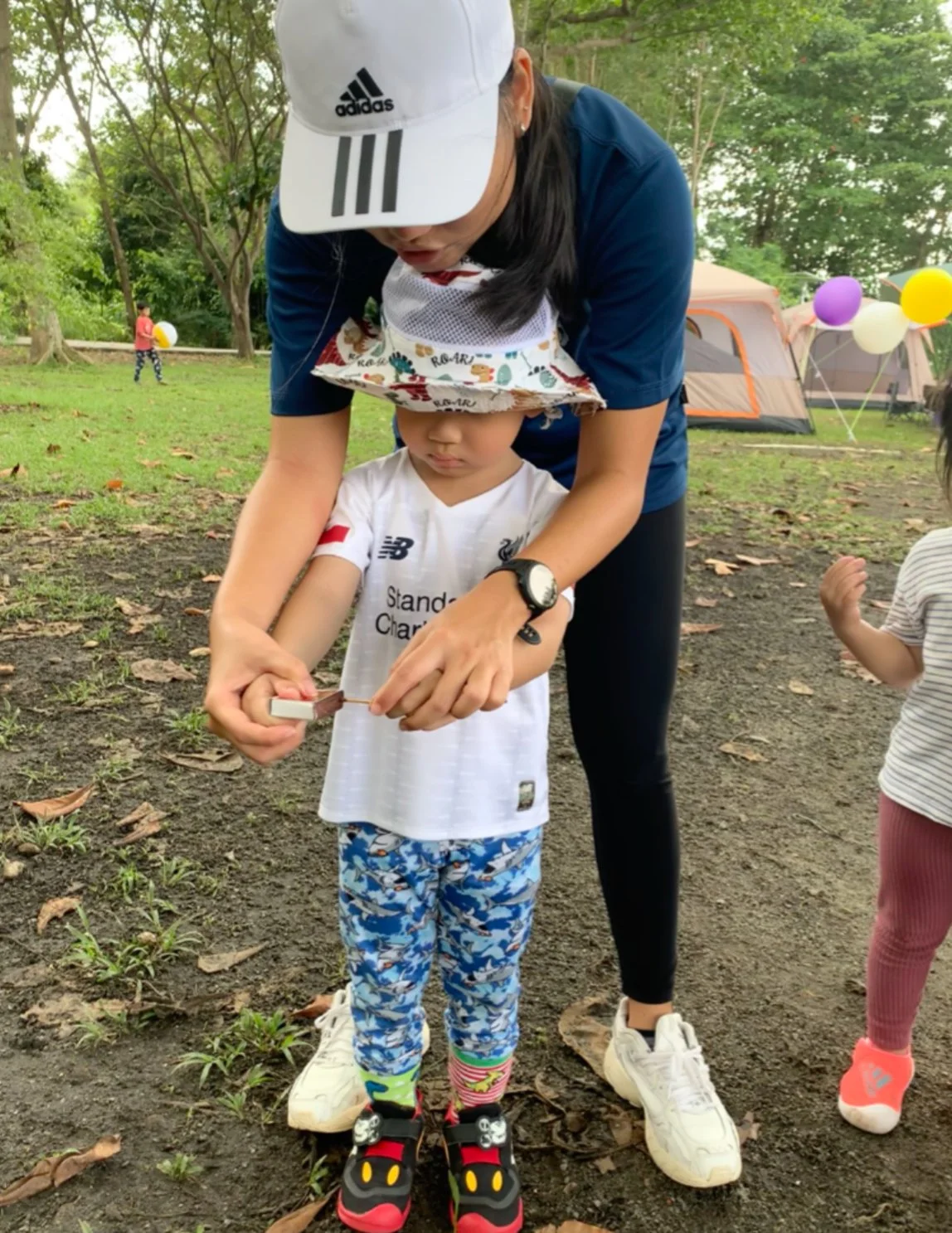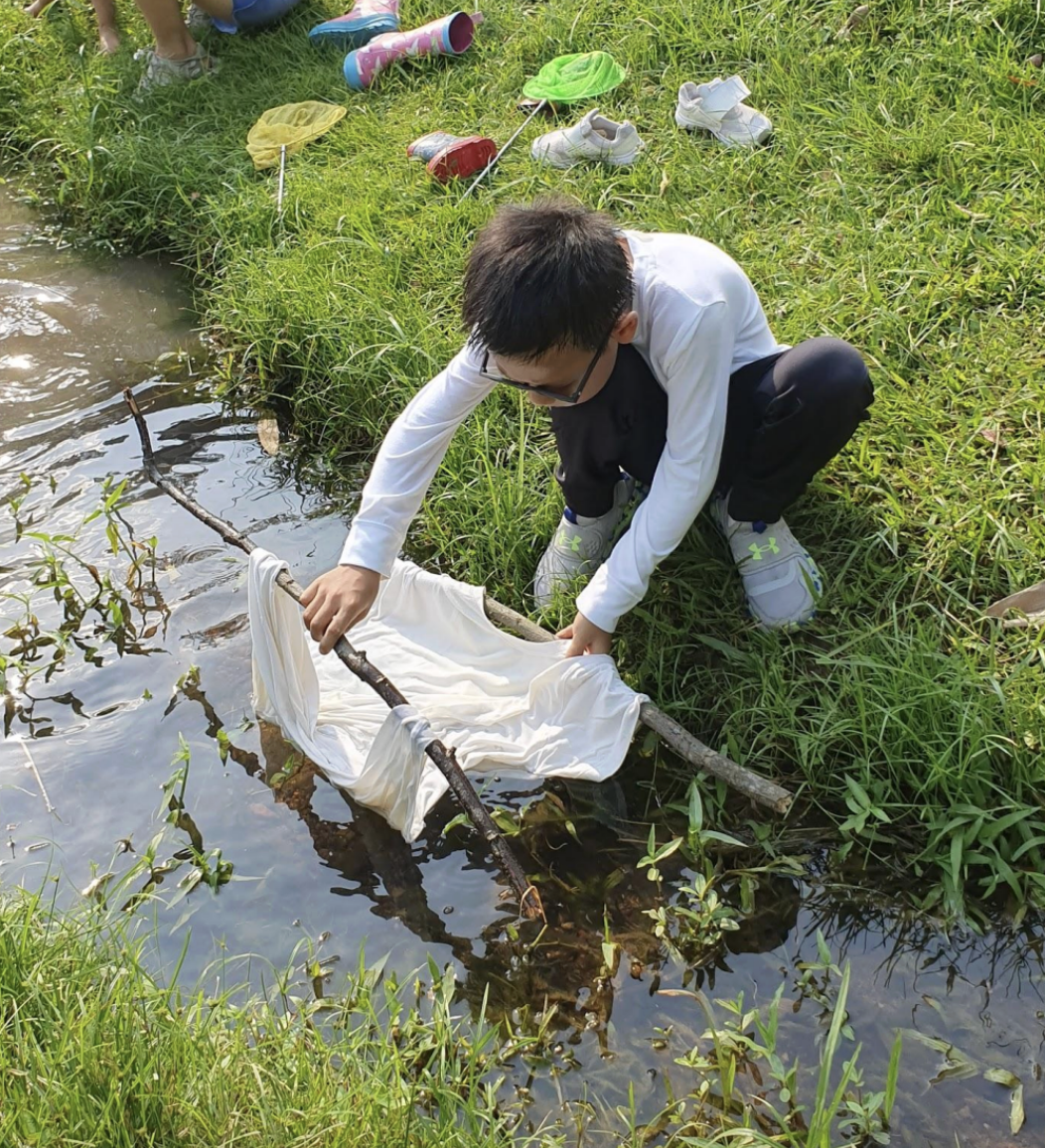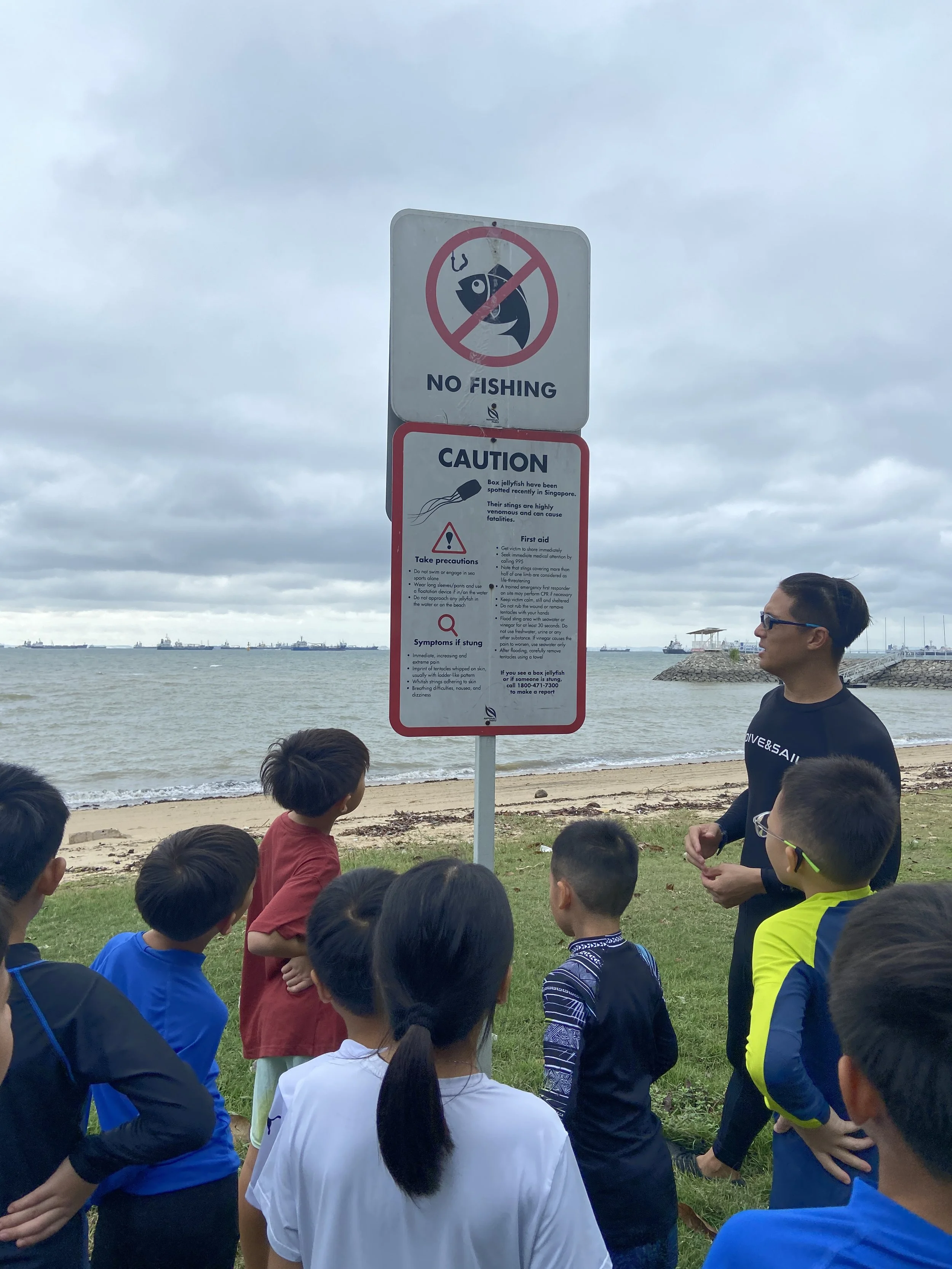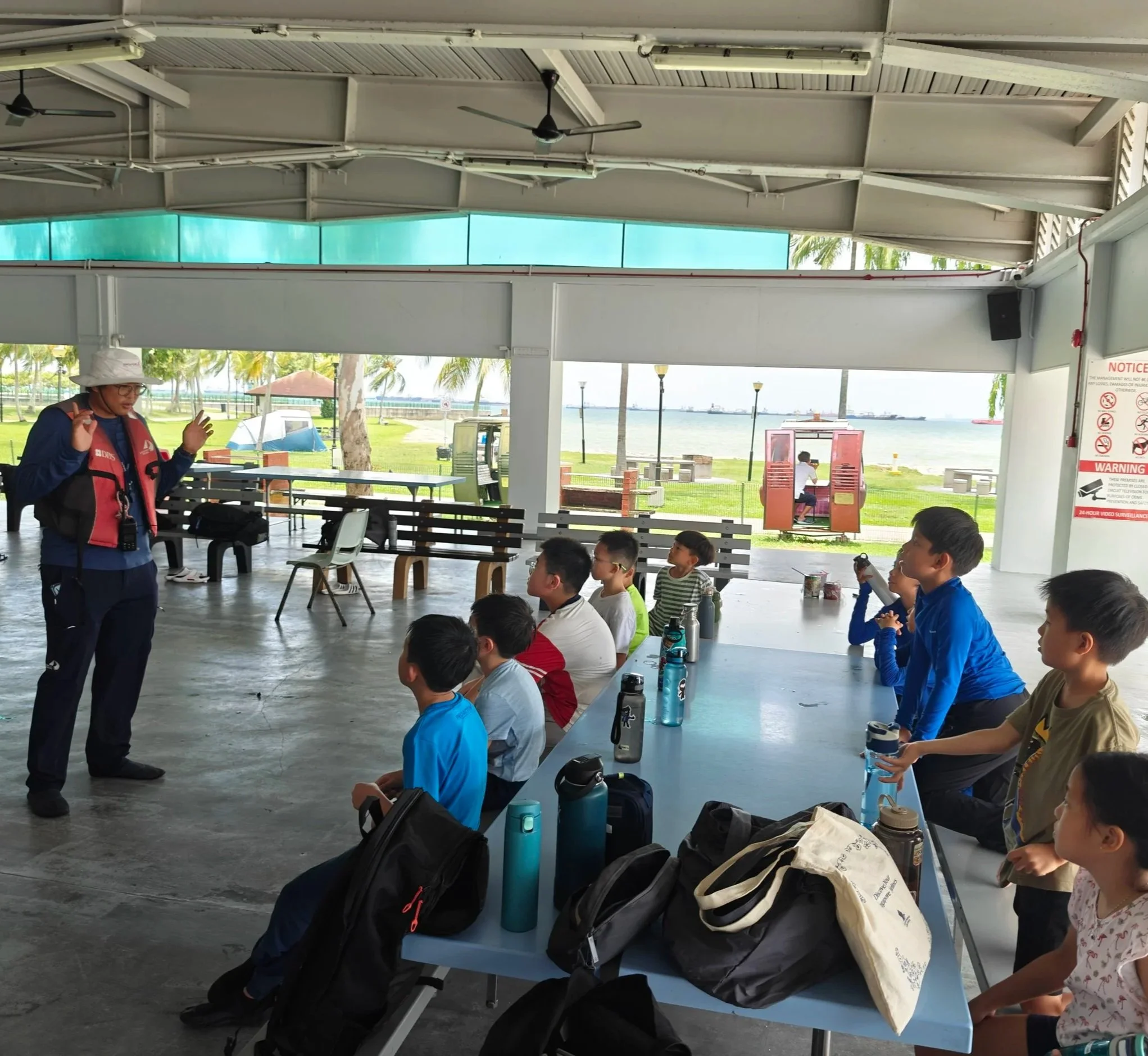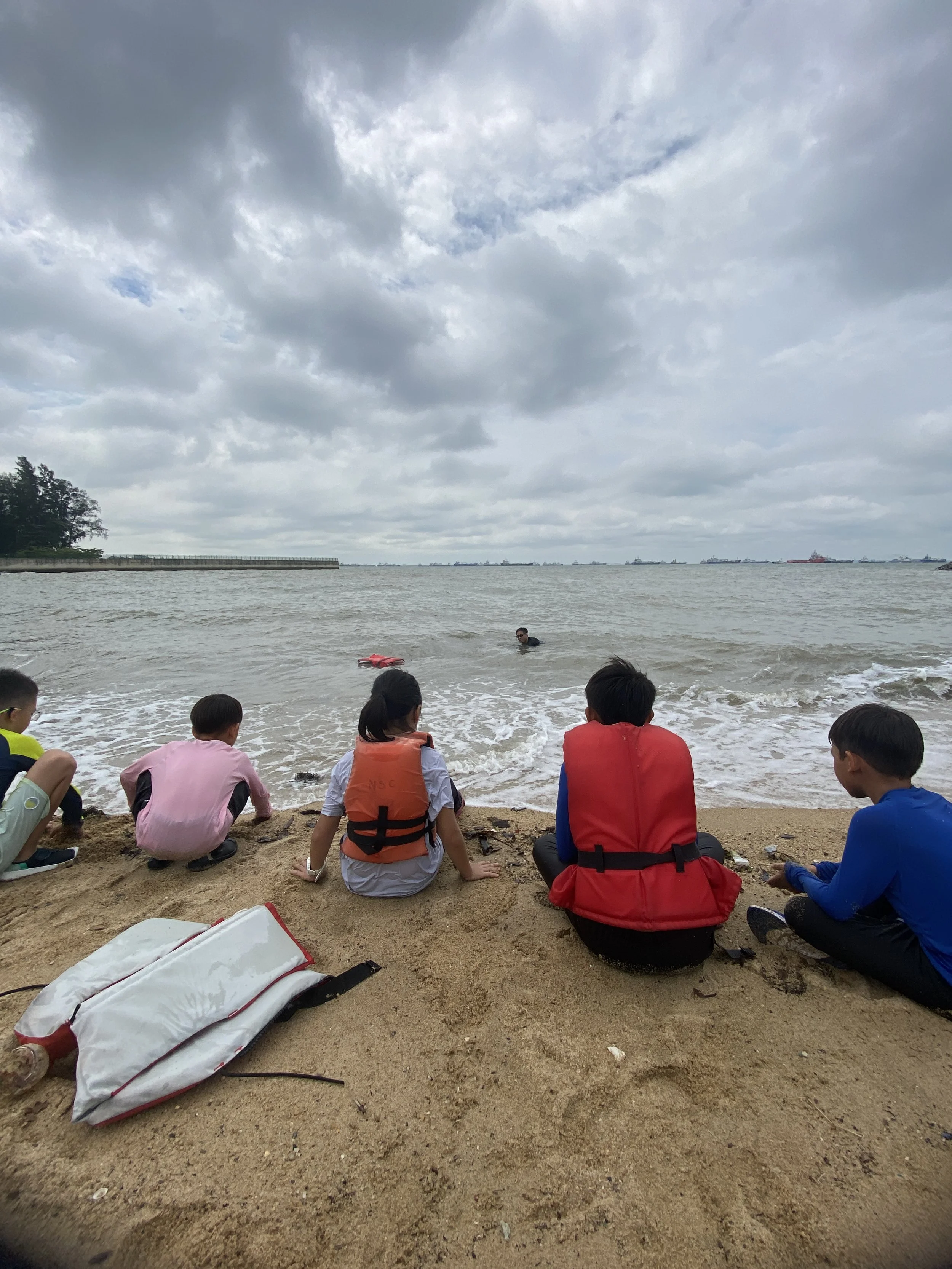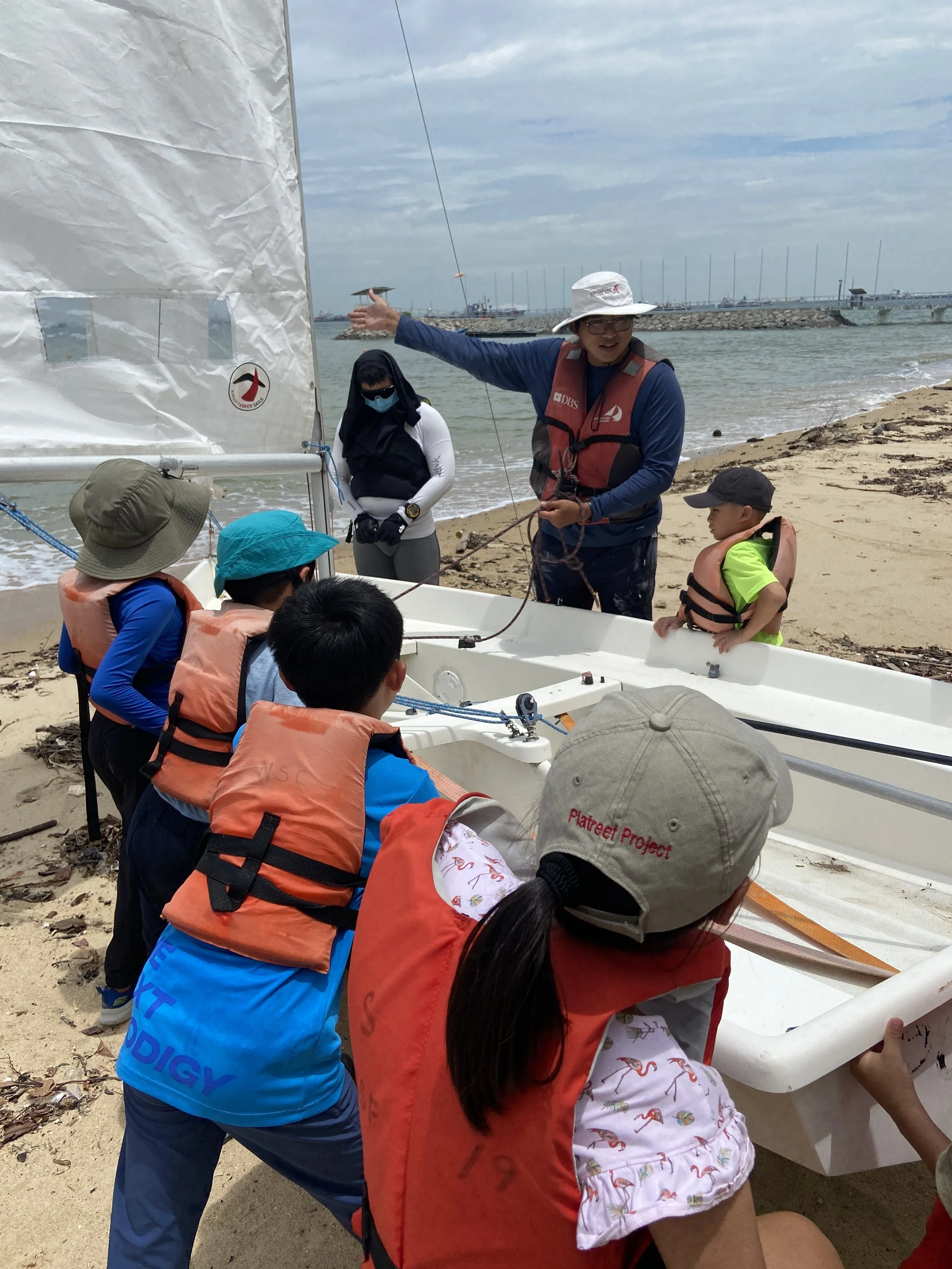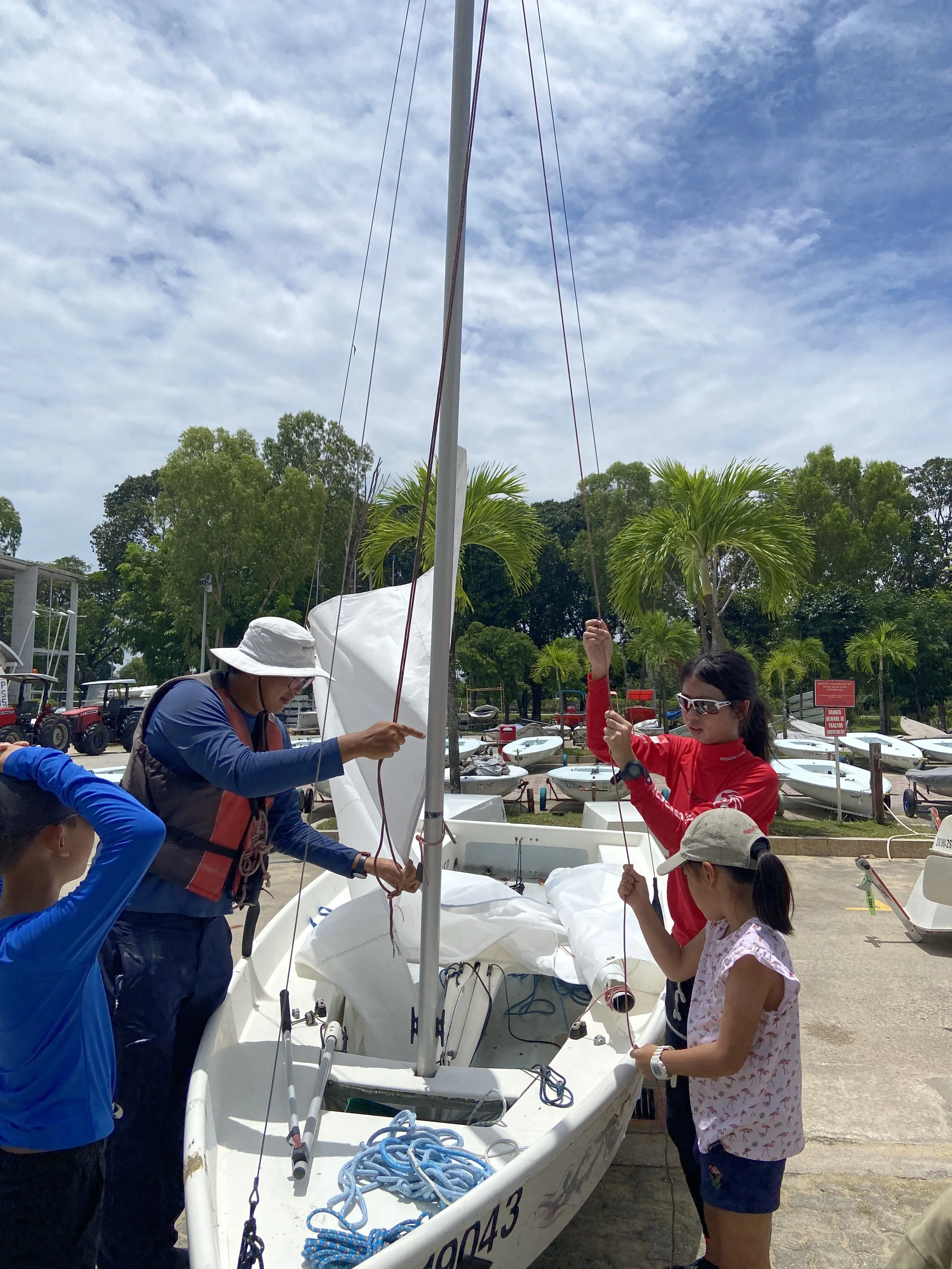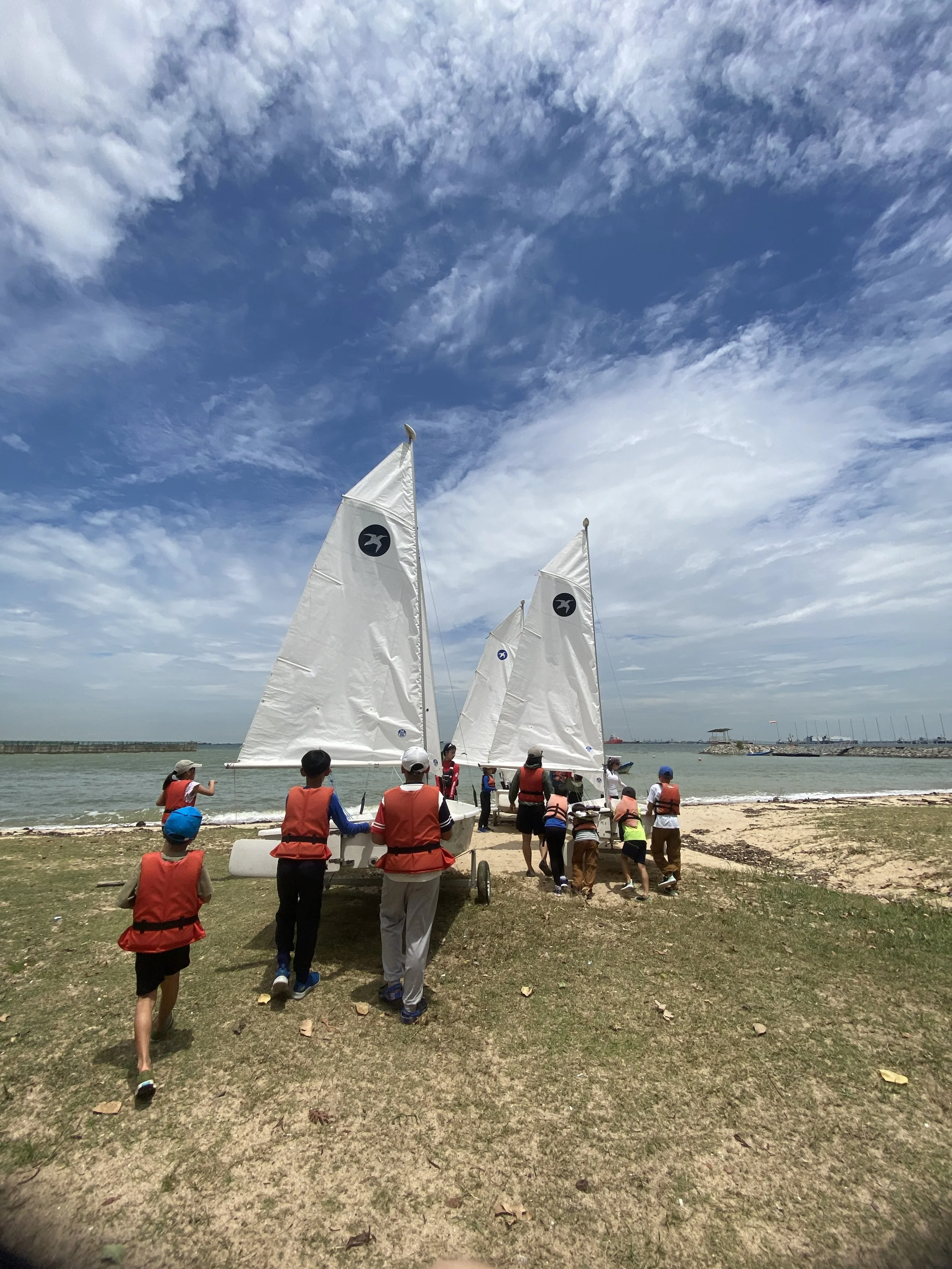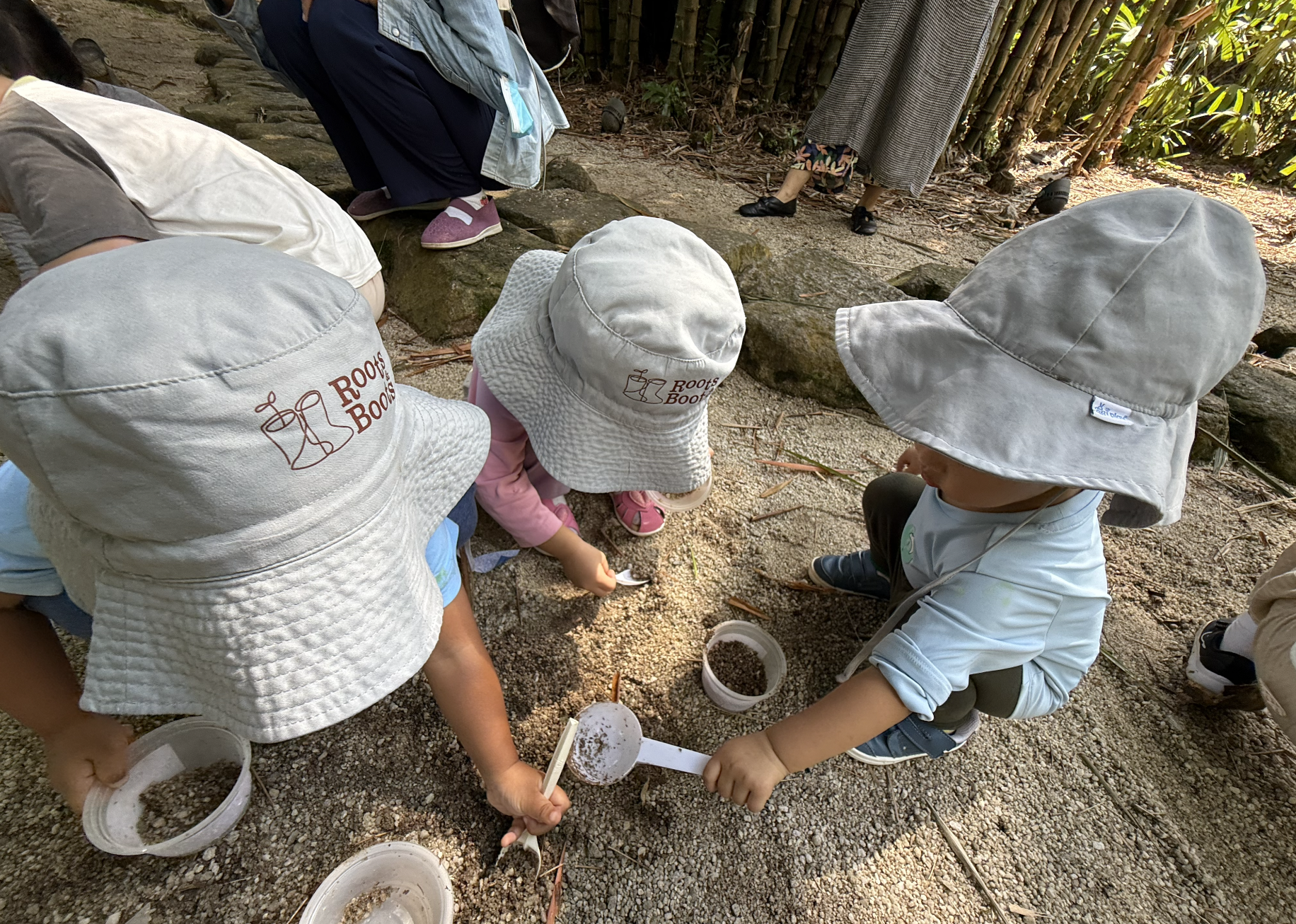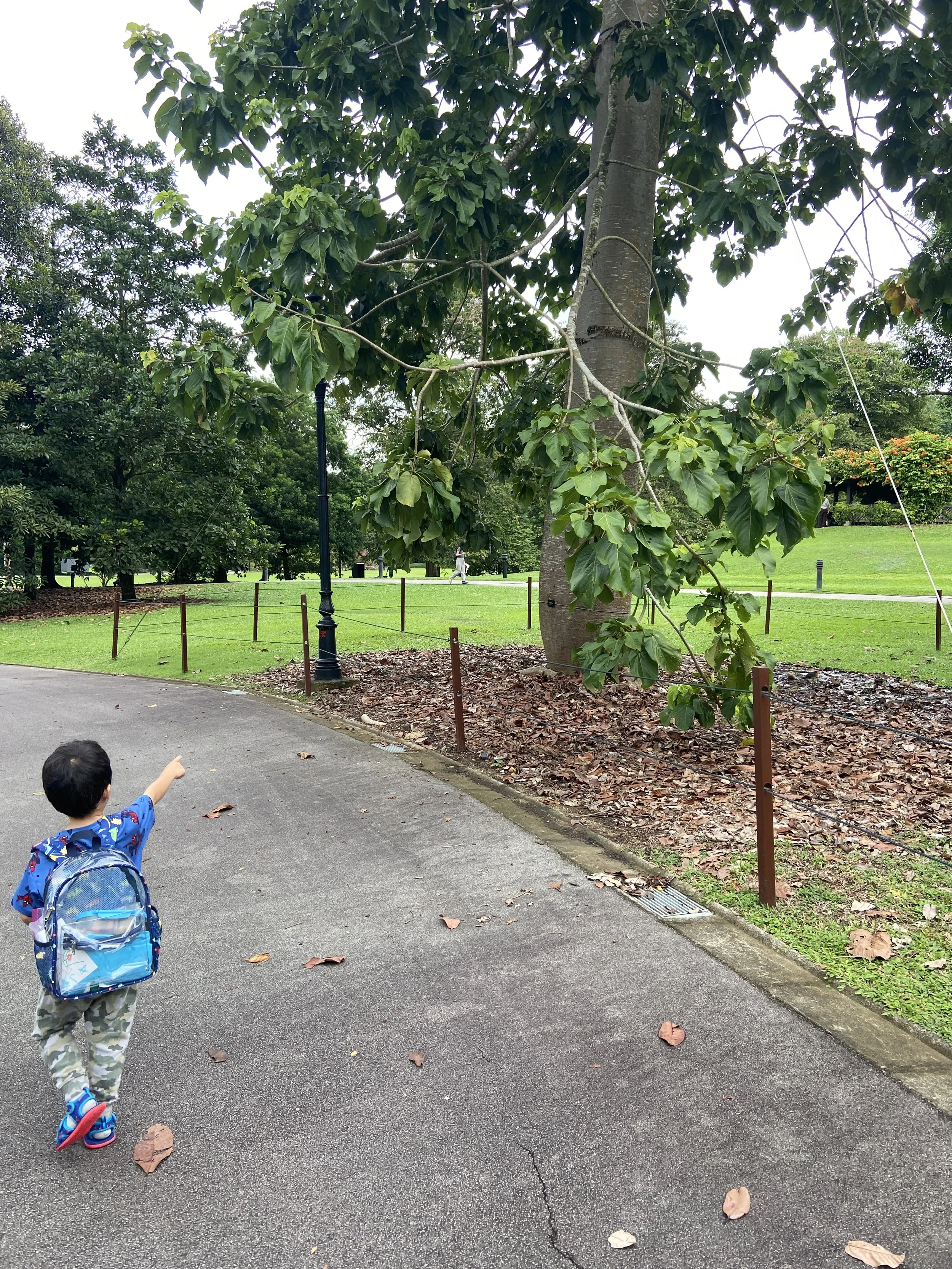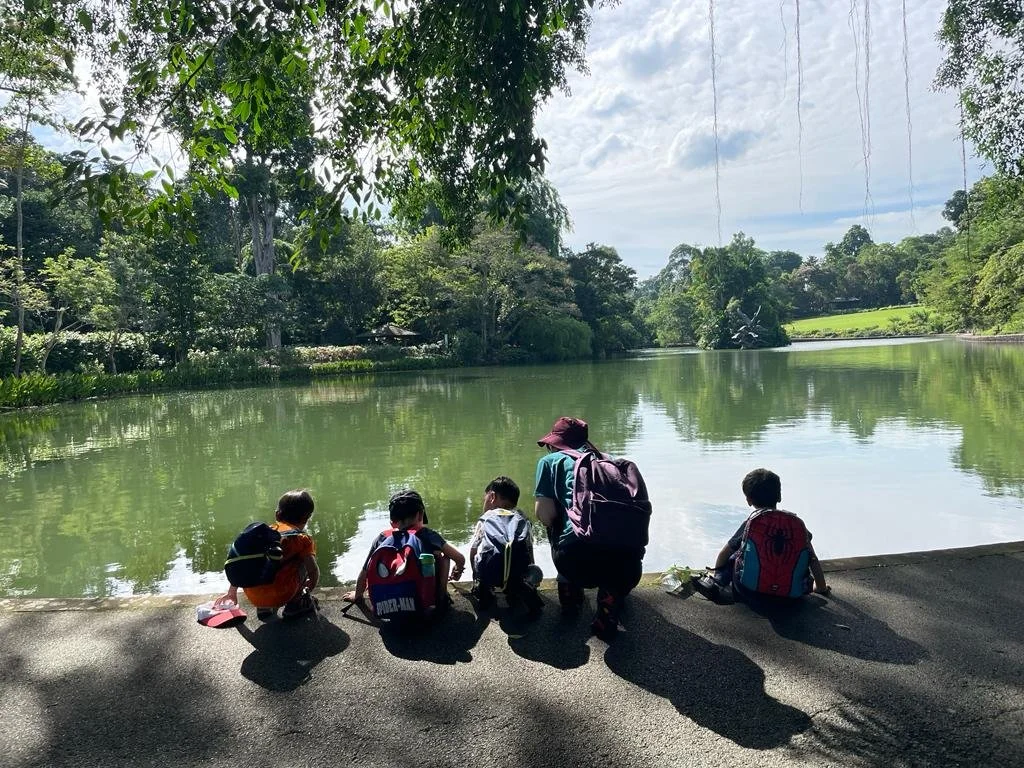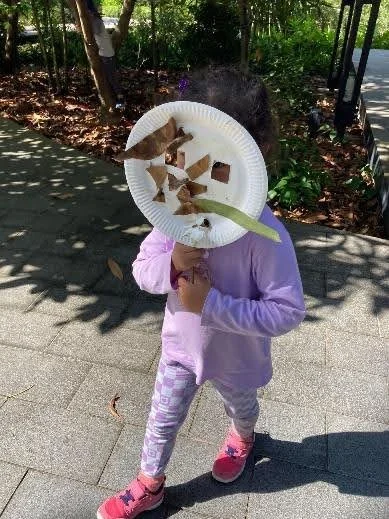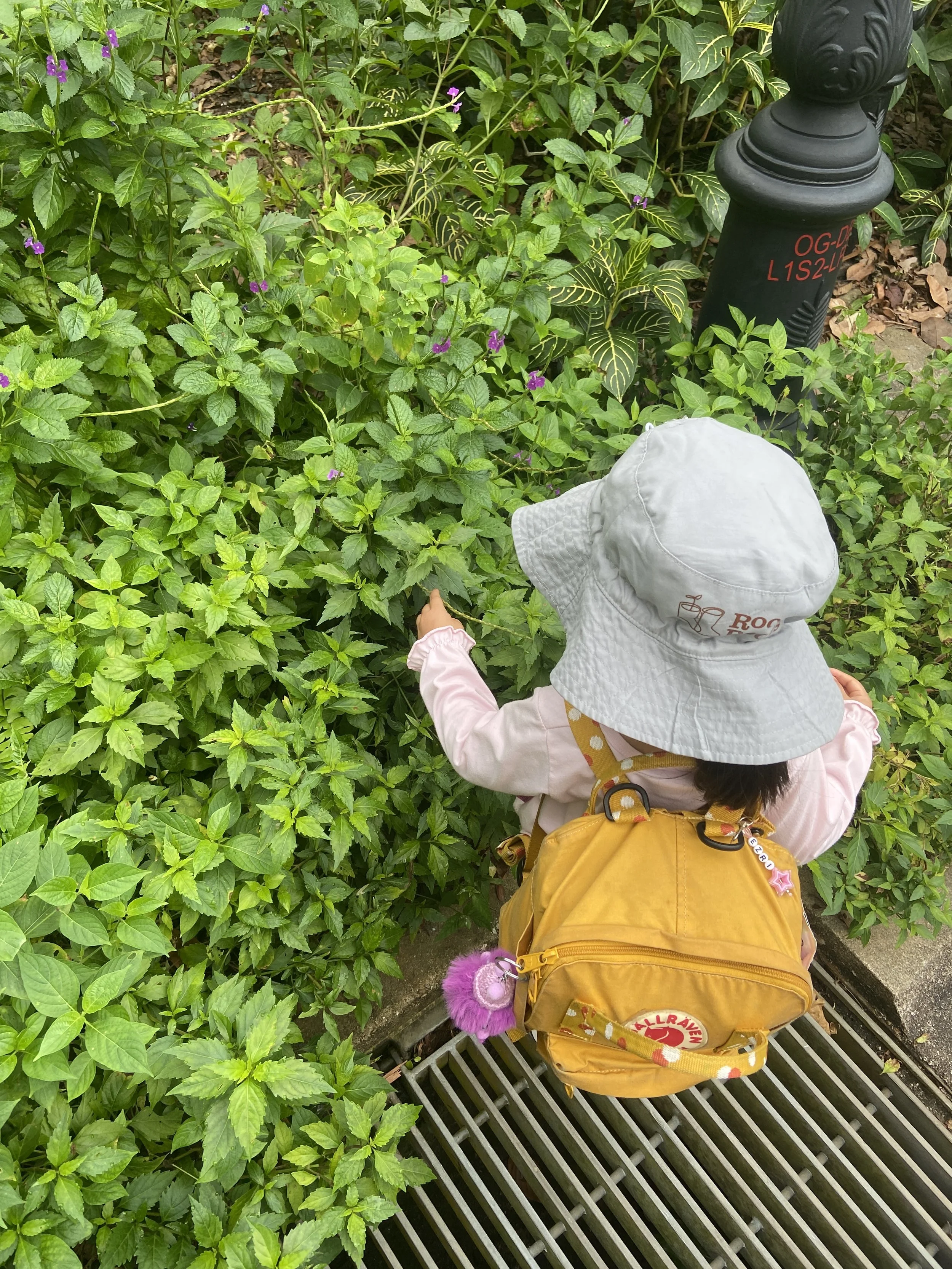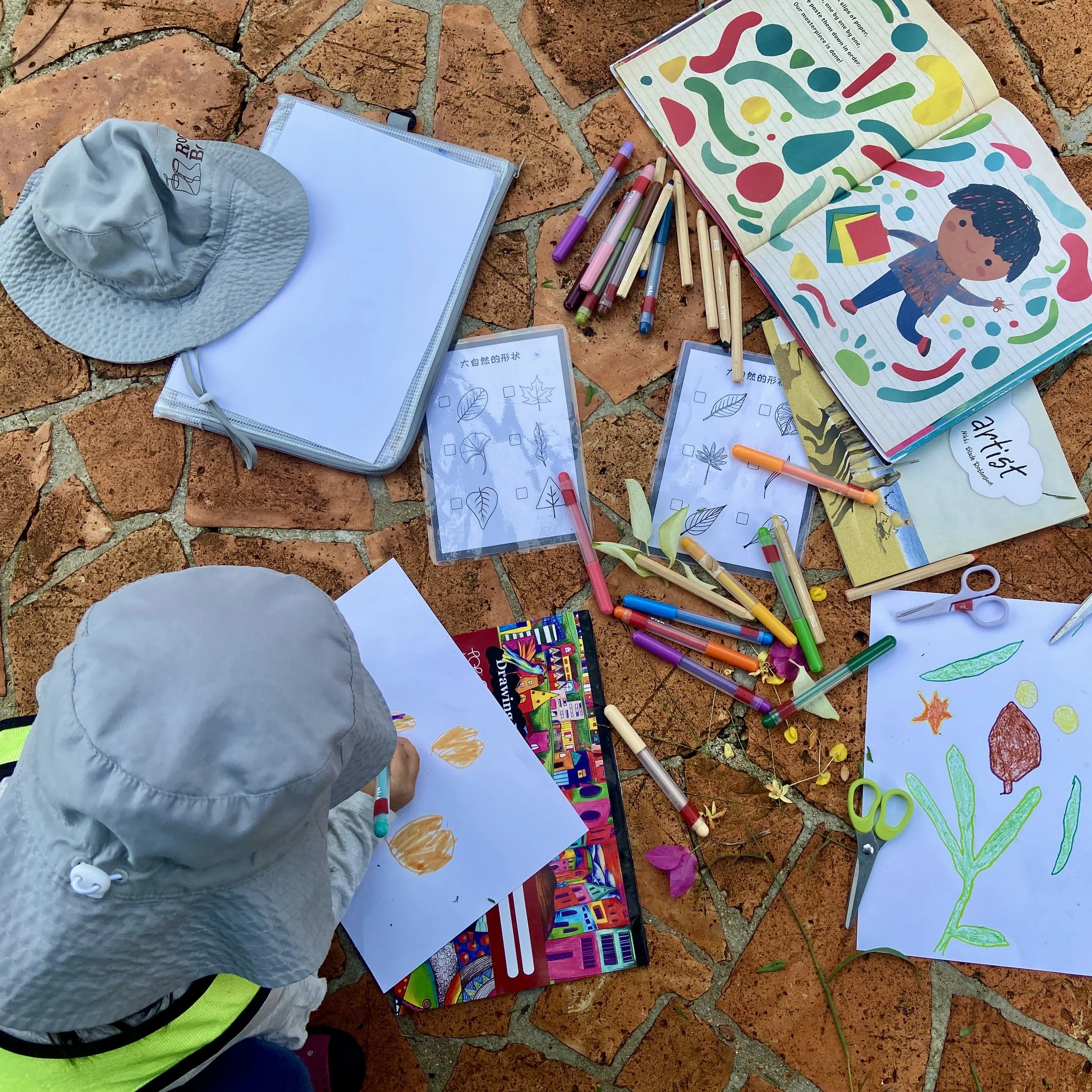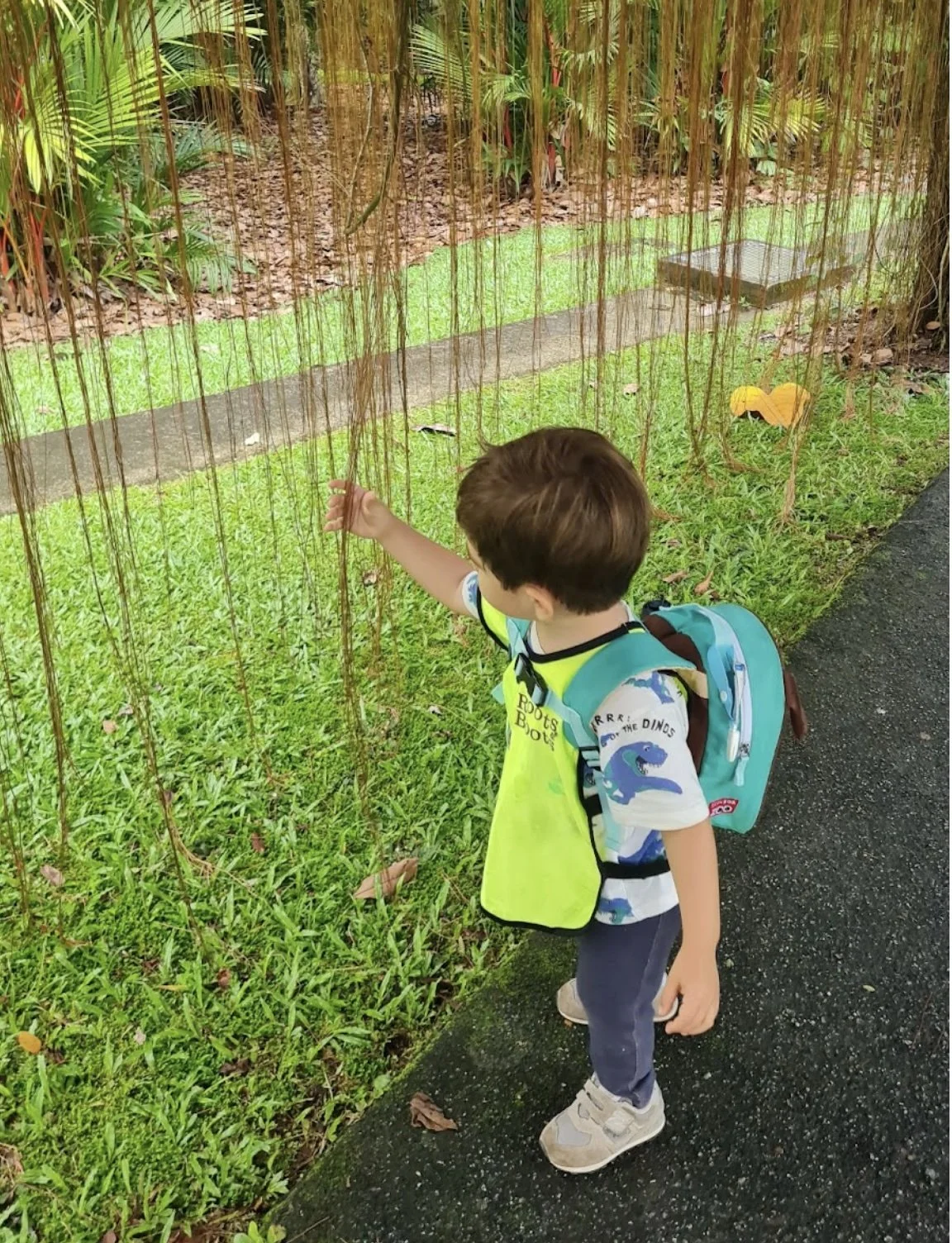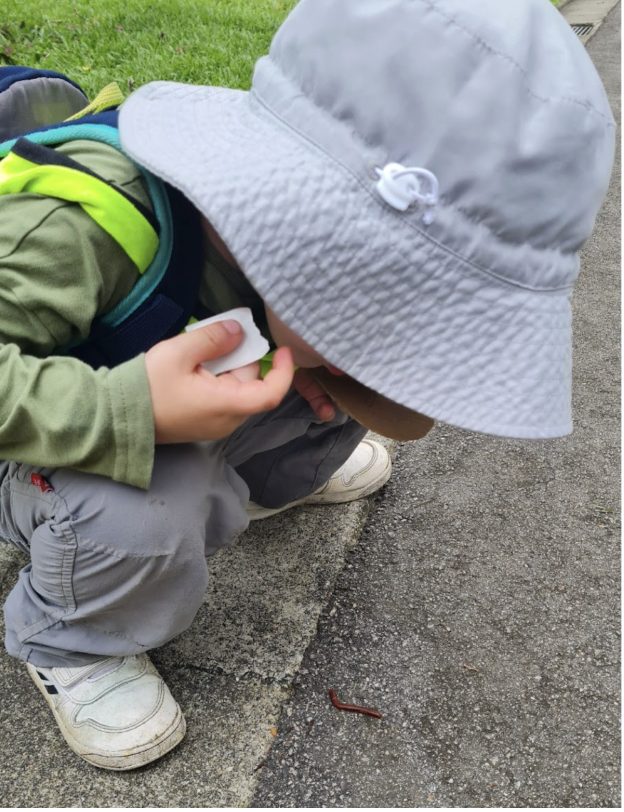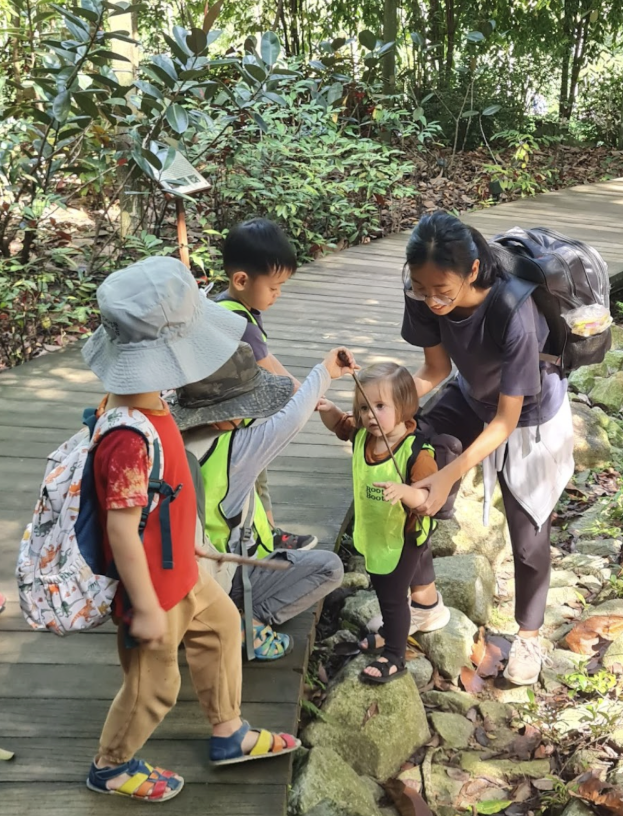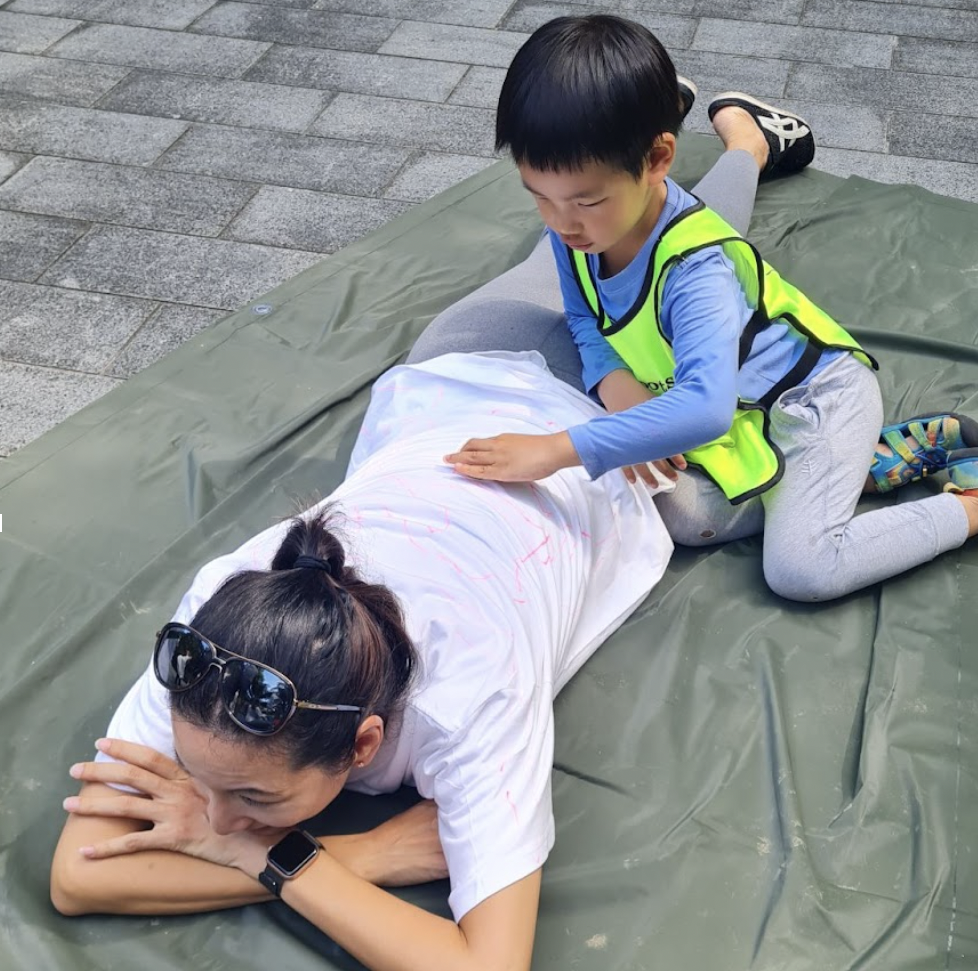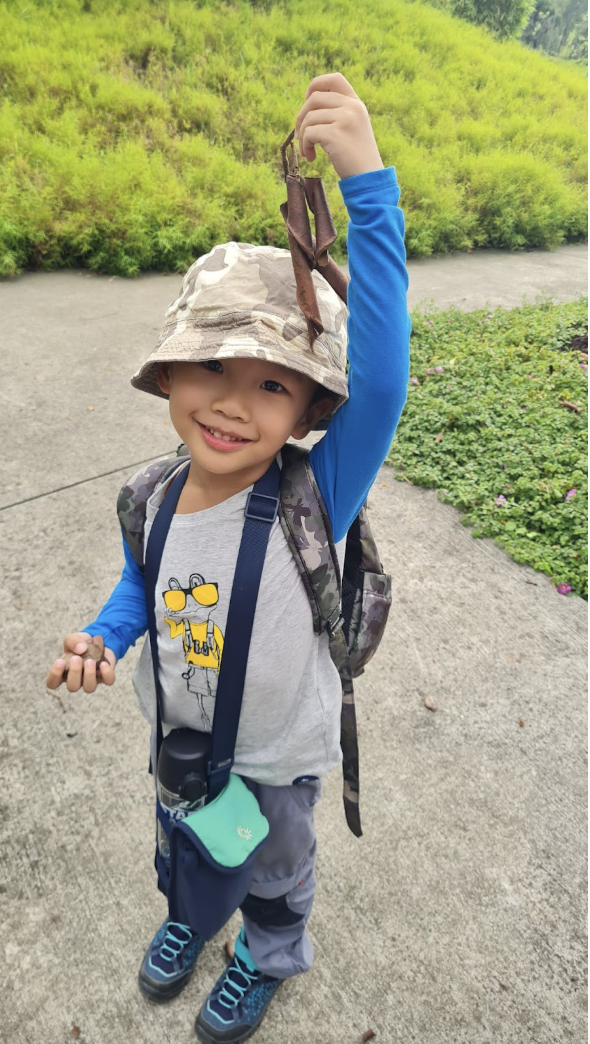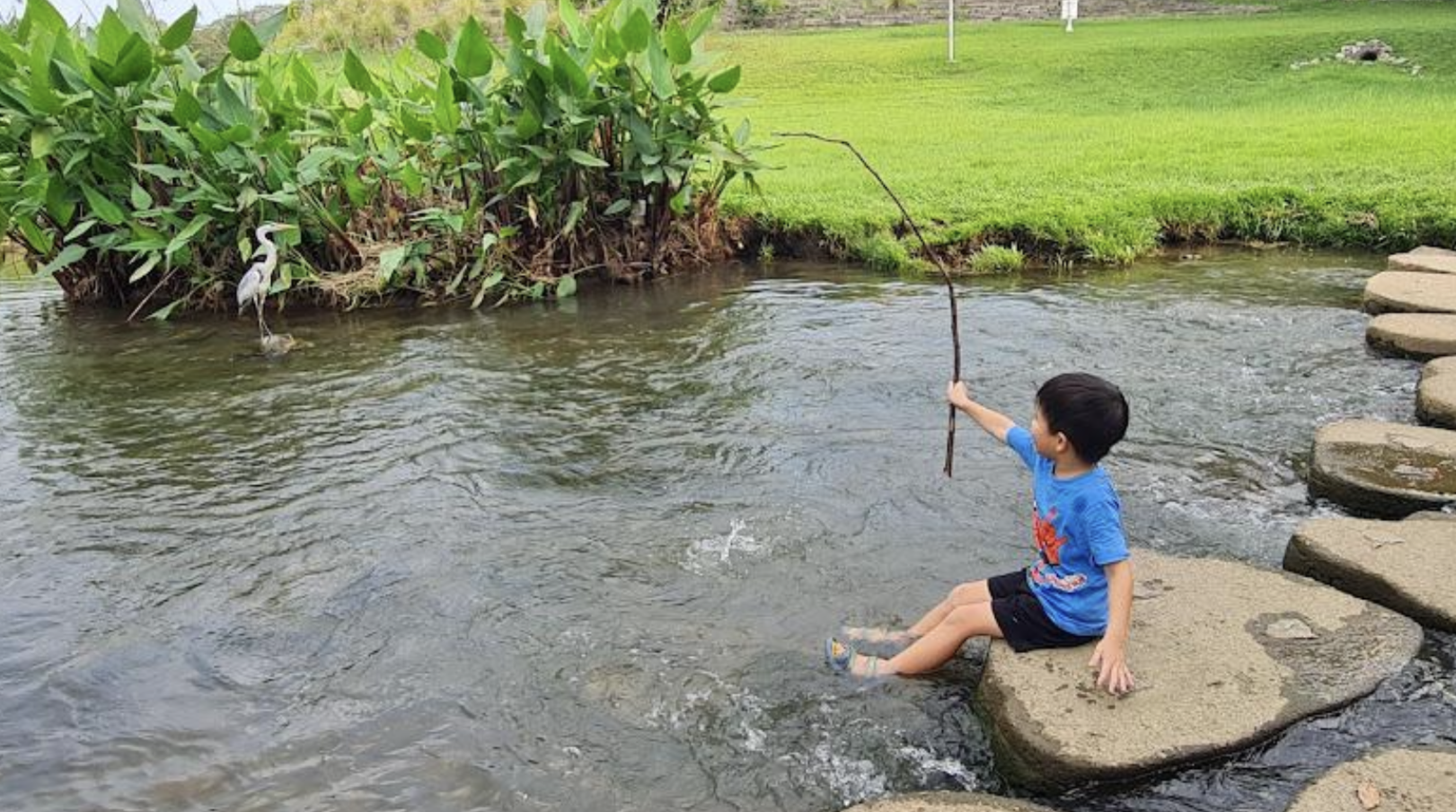
When you imagine an outdoor holiday programme, you might picture children who already love hiking, climbing trees, getting muddy and exploring nature.
But what about the child who prefers books, art, Lego, screens, or staying indoors?
Many parents ask us:
“My child isn’t really an outdoor kid. Will they enjoy Roots & Boots?”
The answer is: they don’t need to arrive as an outdoor child. That is part of the journey.
Outdoor learning is not about being fearless. It is about becoming confident.
At Roots & Boots, we believe children grow when they are given opportunities to try something new in a safe and supportive environment.
For some children, that first step might be being in an environment they are not used to.
For others, it might be climbing a little higher, speaking up during a group activity, or trying something even when they are unsure.
Confidence does not appear overnight. It grows through small moments of courage.
“But my child doesn’t like getting dirty!”
That is completely normal.
Many children start with hesitation. They may not want to touch mud, explore unfamiliar places, or get involved straight away.
Our guides meet children where they are.
Outdoor learning is not about forcing children to become someone else. It is about helping them discover what they are capable of.
A child who begins by watching from the side may eventually become the one leading their friends.
Nature creates opportunities that classrooms cannot always provide.
In a classroom, children often know what is expected. Outdoors, things are different.
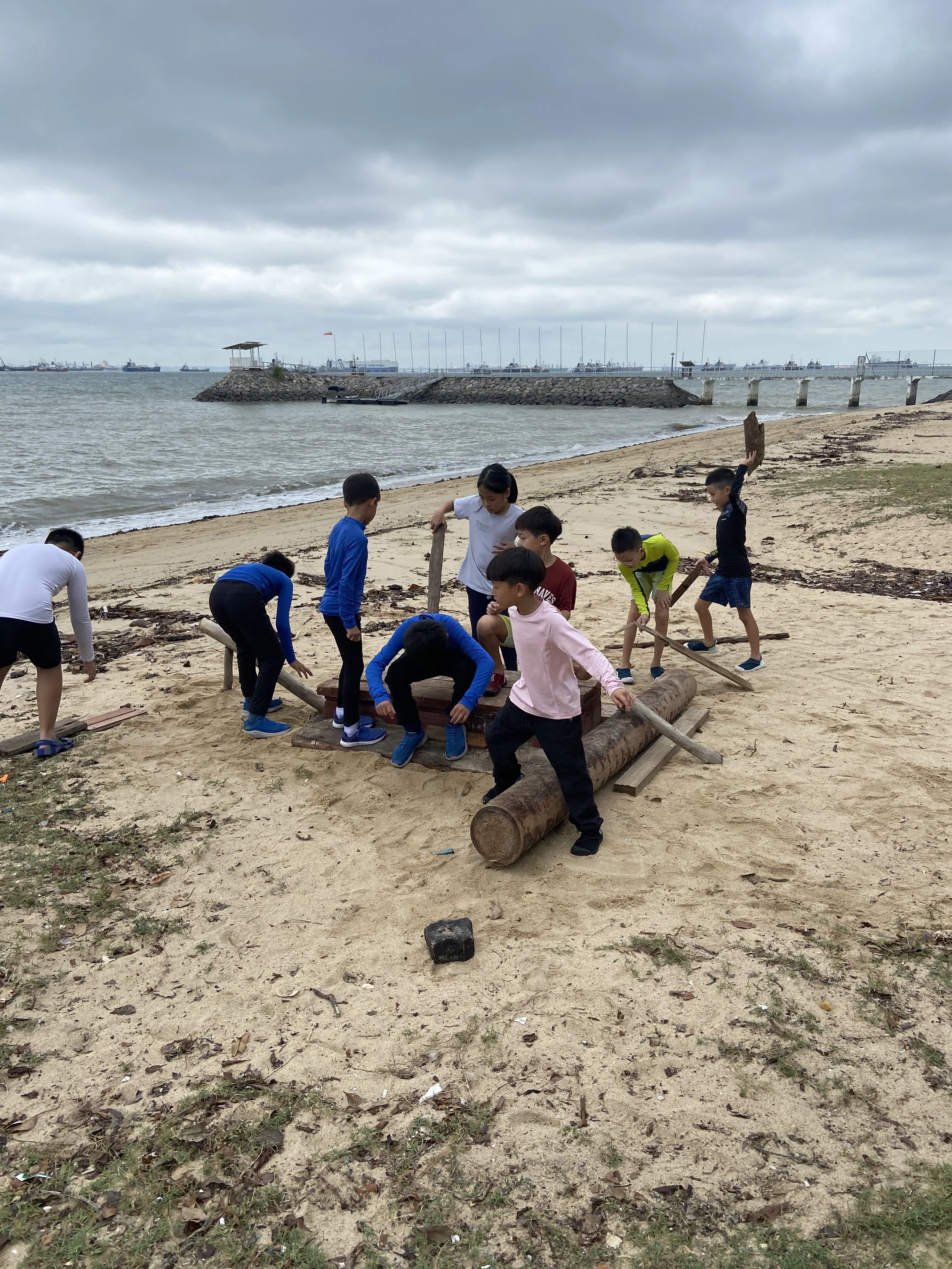
A shelter might not stand the first time.
A trail might require teamwork.
A new challenge might need patience and creativity.
These moments give children opportunities to practise skills that matter far beyond the outdoors:
Problem-solving when things do not go according to plan
Communication when working with friends
Resilience when something feels challenging
Independence when making choices and trying new things
Shy children can thrive outdoors too
Some parents worry that their quieter child may struggle in a new environment.
Interestingly, nature often gives children a different way to connect.
Instead of having to start conversations immediately, children can bond while exploring, building, discovering and completing challenges together.
Friendships often begin naturally when children share an experience.
The goal is not to create “outdoorsy” children
The goal is to help children become more curious, capable and confident.
A holiday programme should be more than a way to fill time during the school break. It can be a chance for children to discover new interests, build independence and experience the joy of learning beyond four walls.
Your child does not need to love the outdoors before joining.
They just need a chance to experience it.
This September, give your child the opportunity to explore, grow and discover what they can do.